
- 11½ Spells
- Desert Immersions
An evolving toolkit for imagining and rehearsing multispecies futures through chance, affect, storytelling, and embodied play.
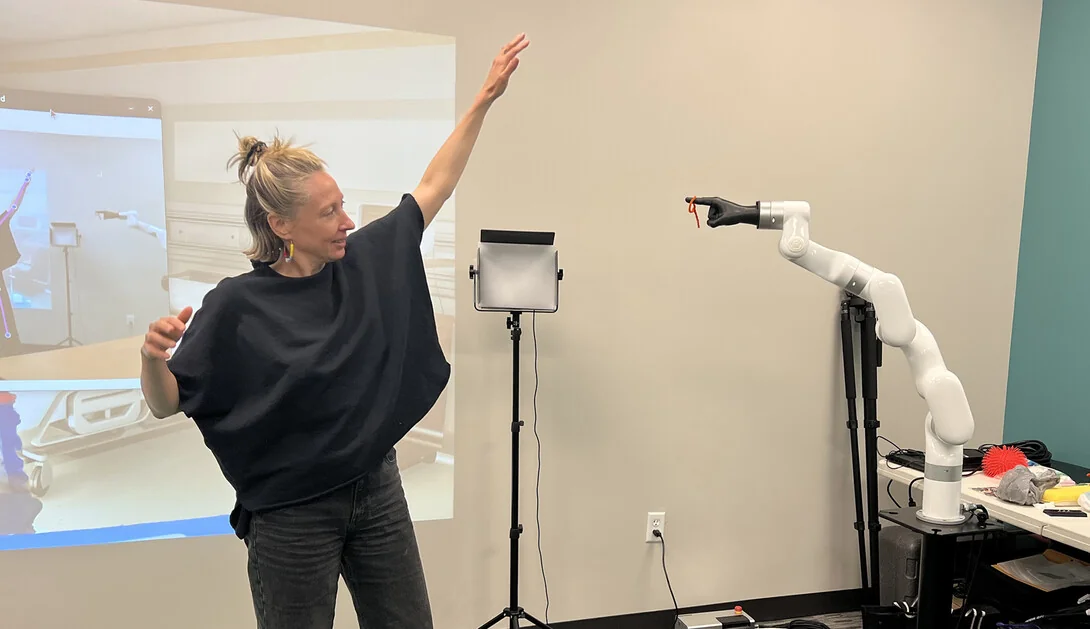
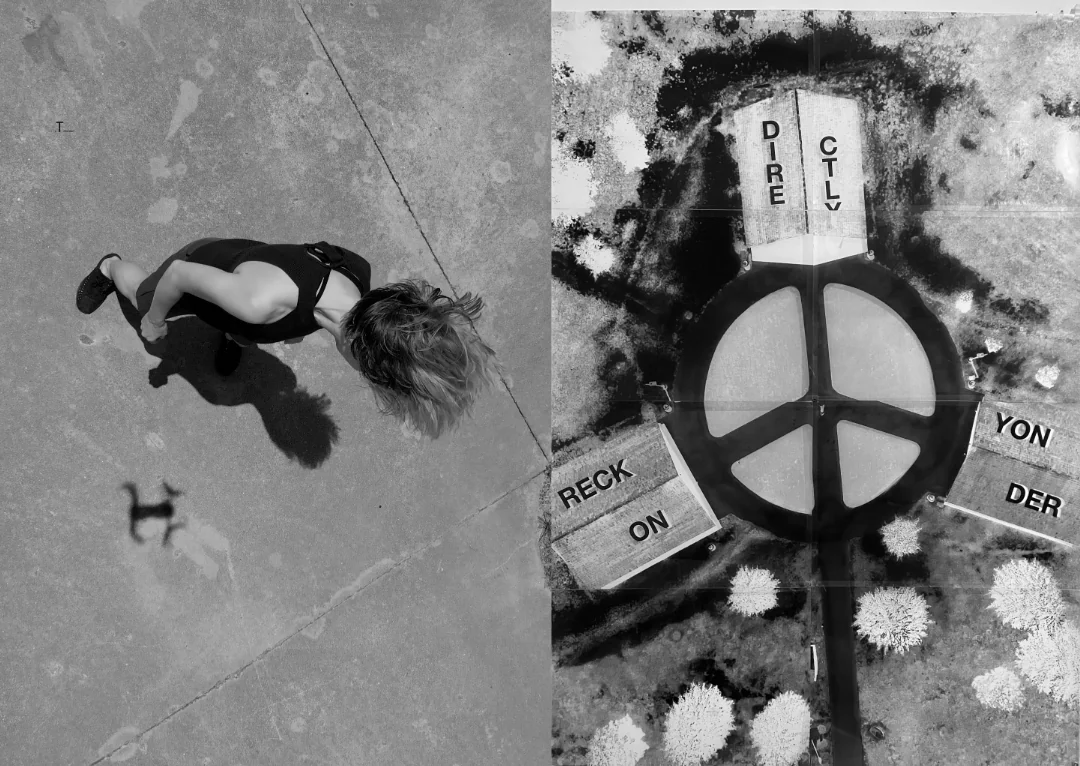
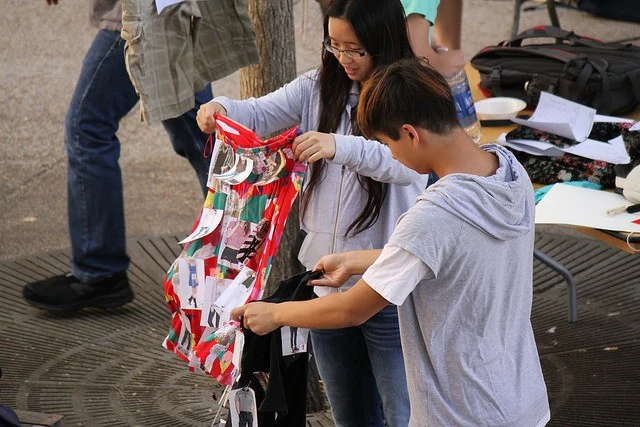
Scenes from the wider embodied worldbuilding practice. Each image links to its context and credits.
Build and tell speculative scenes, then enter them through roleplay, movement, and rehearsal—with other people, animals, plants, materials, machines, and places. Return to the story with what the body noticed.
Begin with where and when. Add a feeling, a voice, a form, a more-than-human collaborator, or a pivot. Use chance to find a beginning, then decide together what to keep, change, and try.
The general Card Deck includes 94 cards, with US Letter and A4 home-print options. The Interactive Tool has an adapted prompt bank and numbered versions to keep.
Encountering, moving with, and becoming-with offer overlapping ways to enter a world while it is taking shape. Attend to another being's capacities and constraints, and let the relation change what you sense and imagine. A perspective remains partial; participation can shift through attention, orientation, gesture, or scale.
Move between imagining, rehearsing, reflecting, and writing. Some rehearsals become stories, artworks, prototypes, or technologies. Others remain a gesture or a question worth carrying.
Performing the What-If: Embodied Worldbuilding with More-than-Human Intelligences, from Roleplay to Emerging Technologies, by Ash Eliza Smith and Julia McQuillan, is a forthcoming chapter in Strategic Handbook of Worldbuilding (Routledge) and is not yet public. It describes the practice behind these shared tools.
The Card Deck and Interactive Tool build on The Thing From The Future and the Rehearsing Realities framework. The wider practice draws on performance, dance and somatic practice, walking scores, speculative design, spatial storytelling, playable theater, and immersive practice.
Created by Ash Eliza Smith, developed in the Speculative Devices Lab with Julia McQuillan and Sam Bendix. Chapter and framework authorship are distinct from the credits for the toolkit and its workshop activities.